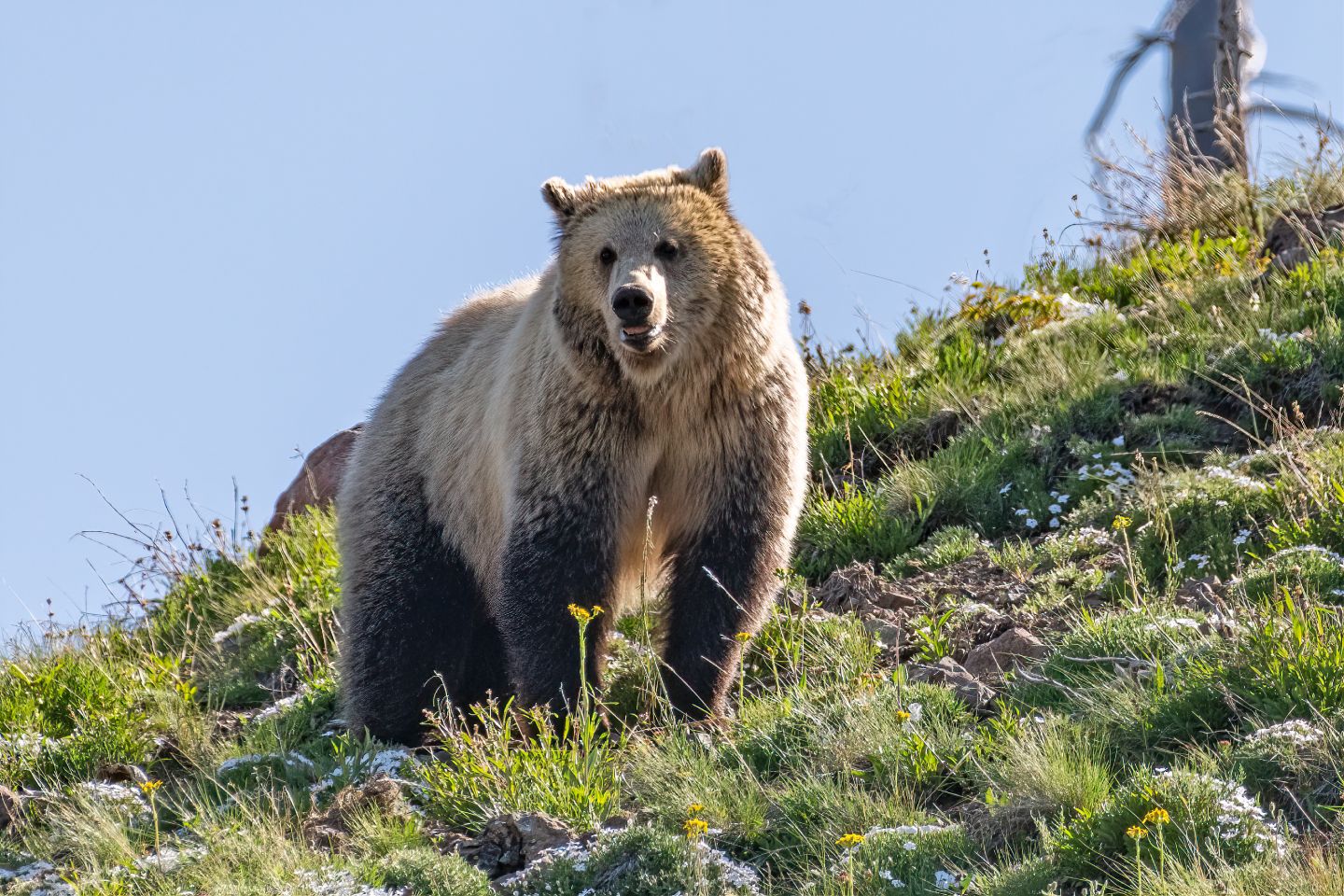
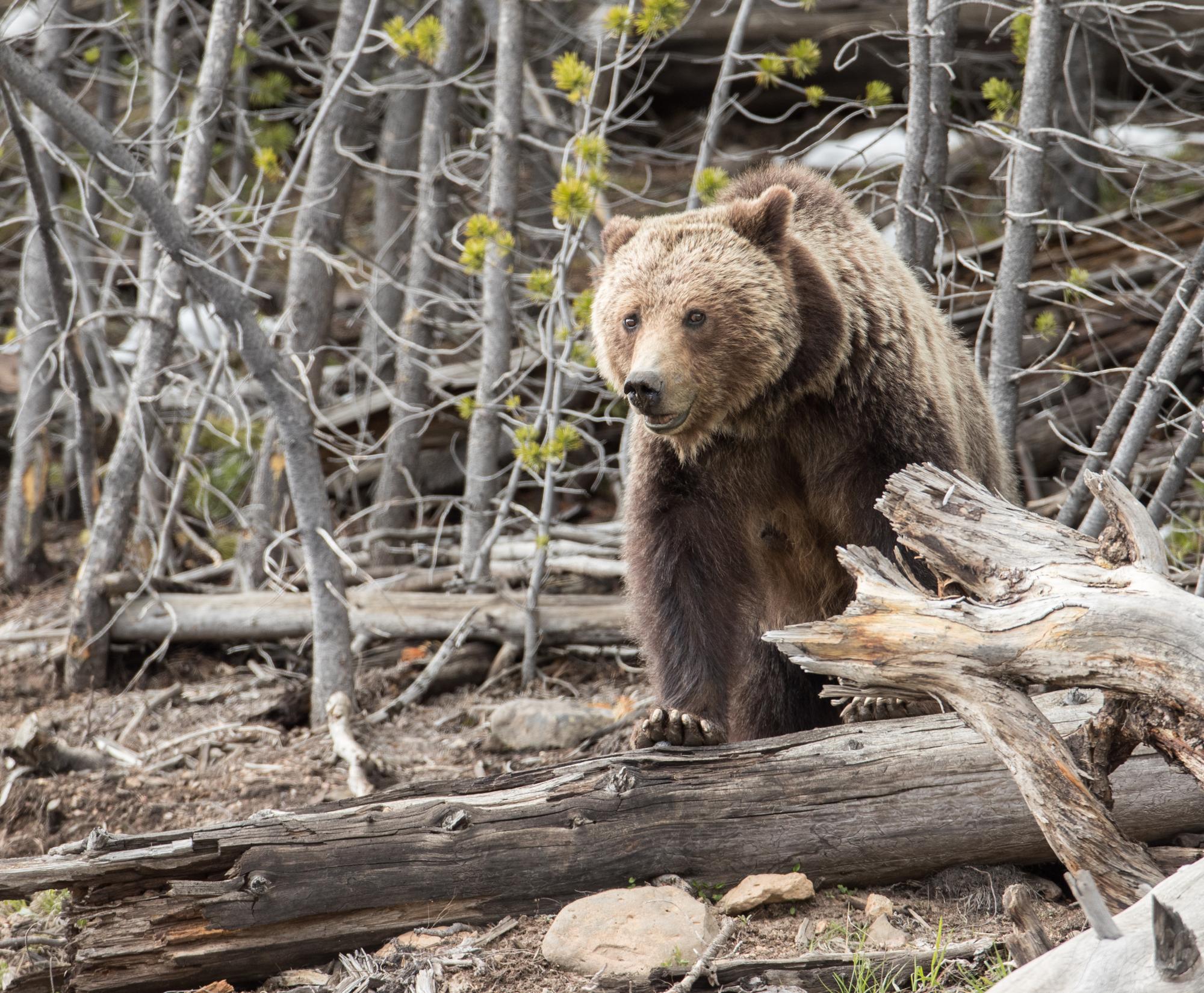
• A Grizzly bear standing on dead tree branches

Bear Necessities: When and Where to See Bears in Cody Yellowstone

Posted by: Park Country Travel Council
Posted on: October 15, 2026

There’s a good reason to keep your binoculars handy on a fall drive through Cody Yellowstone. As winter approaches, grizzly and black bears spend much of their time searching for food, building the fat reserves they’ll depend on during hibernation.

Biologists call this period hyperphagia, and it’s serious business. Bears can gain more than three pounds a day as they prepare for the months ahead. For visitors, that activity means another chance to see one of the West’s most impressive wild animals. From a safe distance, of course.

The Roundup: What You’ll Find in This Article

  • When to see bears: Spring and fall offer good opportunities to spot bears in Cody Yellowstone, although sightings are possible throughout the warmer months.
  • Where to look: Shoshone National Forest, the Buffalo Bill and Chief Joseph Scenic Byways, and Yellowstone’s Lamar and Hayden valleys are among the places to watch for bears.
  • Safe wildlife viewing: Stay at least 100 yards from bears, never feed them, and use designated pullouts when watching wildlife along park roads.
  • Exploring bear country: Carry bear spray when hiking, travel in groups, and check seasonal road conditions before setting out.

Seasons of the Bear

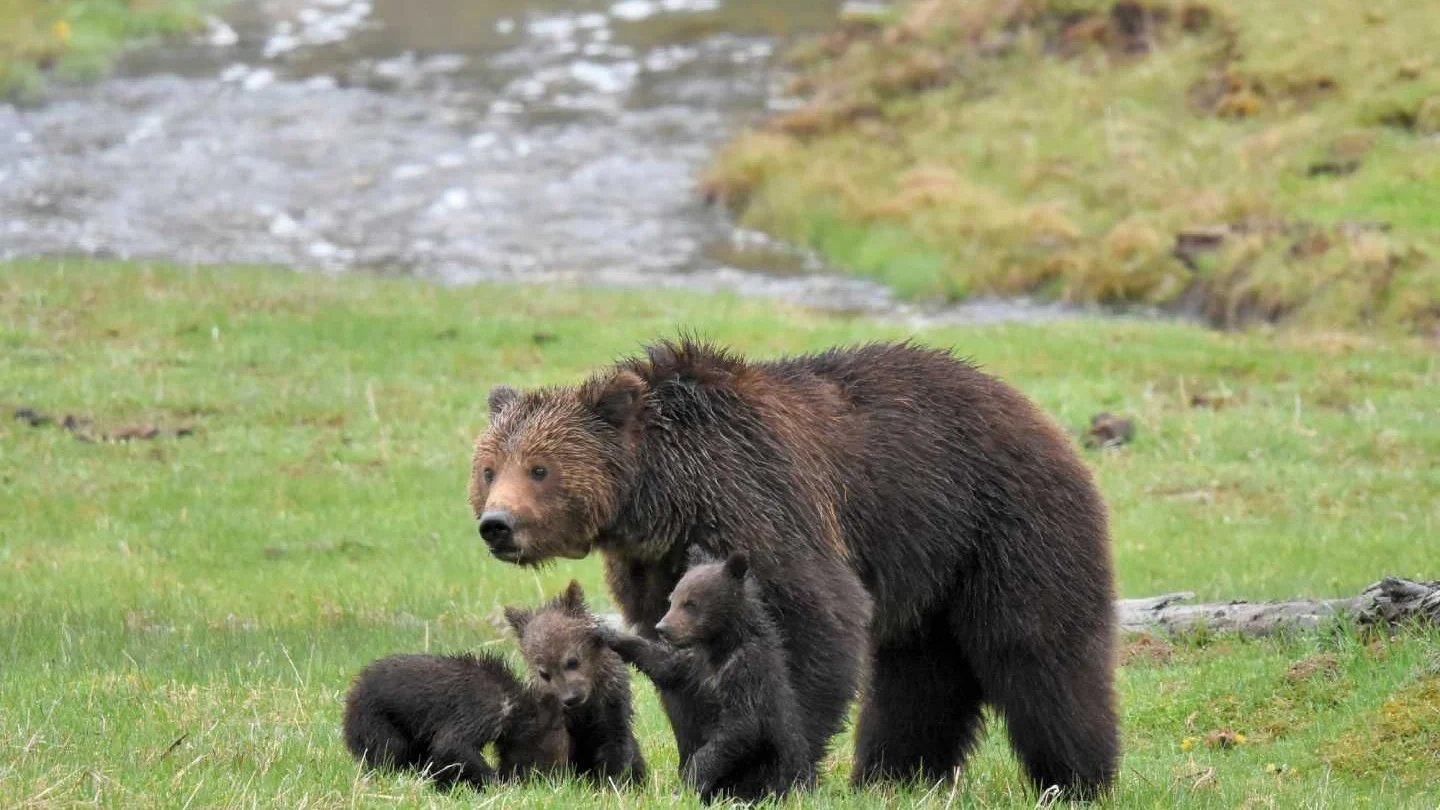
A mother bear and her cubs are nestled in the grass

Fall is a particularly interesting time for bear watching, but it’s not the only season when visitors might spot these animals in Cody Yellowstone.

  • Spring brings bears out of their winter dens, hungry and ready to forage. Grizzlies can begin emerging as early as March, with mothers and their cubs generally appearing later in the spring. It’s another promising time for wildlife watching as bears search for food after months of hibernation.
  • Summer finds bears roaming across the region in search of food, sometimes moving into higher, cooler elevations. Keep your eyes open along Yellowstone’s forested roads and mountain passes, including Dunraven Pass when it’s open.
  • Fall brings another period of increased activity as bears prepare for winter. Depending on food availability, you might spot them foraging in open meadows or moving through forested areas. The menu can include berries, roots, insects, and calorie-rich whitebark pine nuts.
  • Winter is a different story. Most bears are tucked away in their dens, living off the fat reserves they built up during the warmer months. Sightings become much less common until spring arrives.

Grizzly Bear or Black Bear? Know What You’re Looking At

Cody Yellowstone is home to both grizzly bears and black bears, and telling them apart isn’t always as simple as their names suggest. Black bears can have cinnamon or brown coats, while grizzlies can be anything from blonde to nearly black.

Instead, pay attention to their build. Grizzlies have a prominent shoulder hump, a slightly dished facial profile, and shorter, rounded ears. Black bears lack the pronounced hump and generally have a straighter facial profile and taller, more pointed ears.

Of course, you don’t need to get close enough to check. A good pair of binoculars will help you spot the differences while giving both species the space they deserve.

Best Places to See Bears in Cody Yellowstone

Large grizzly bear in the mountains

Bears aren’t especially concerned with sticking to a sightseeing itinerary. They roam throughout the region, following food sources wherever they lead. Still, some areas are particularly well suited to keeping an eye out for wildlife.

  • Shoshone National Forest: Stretching across a vast area east of Yellowstone National Park, the forest provides habitat for both black bears and grizzlies. The Buffalo Bill Scenic Byway winds through the Shoshone River valley toward Yellowstone’s East Entrance, with plenty of forested terrain and mountain scenery along the way.
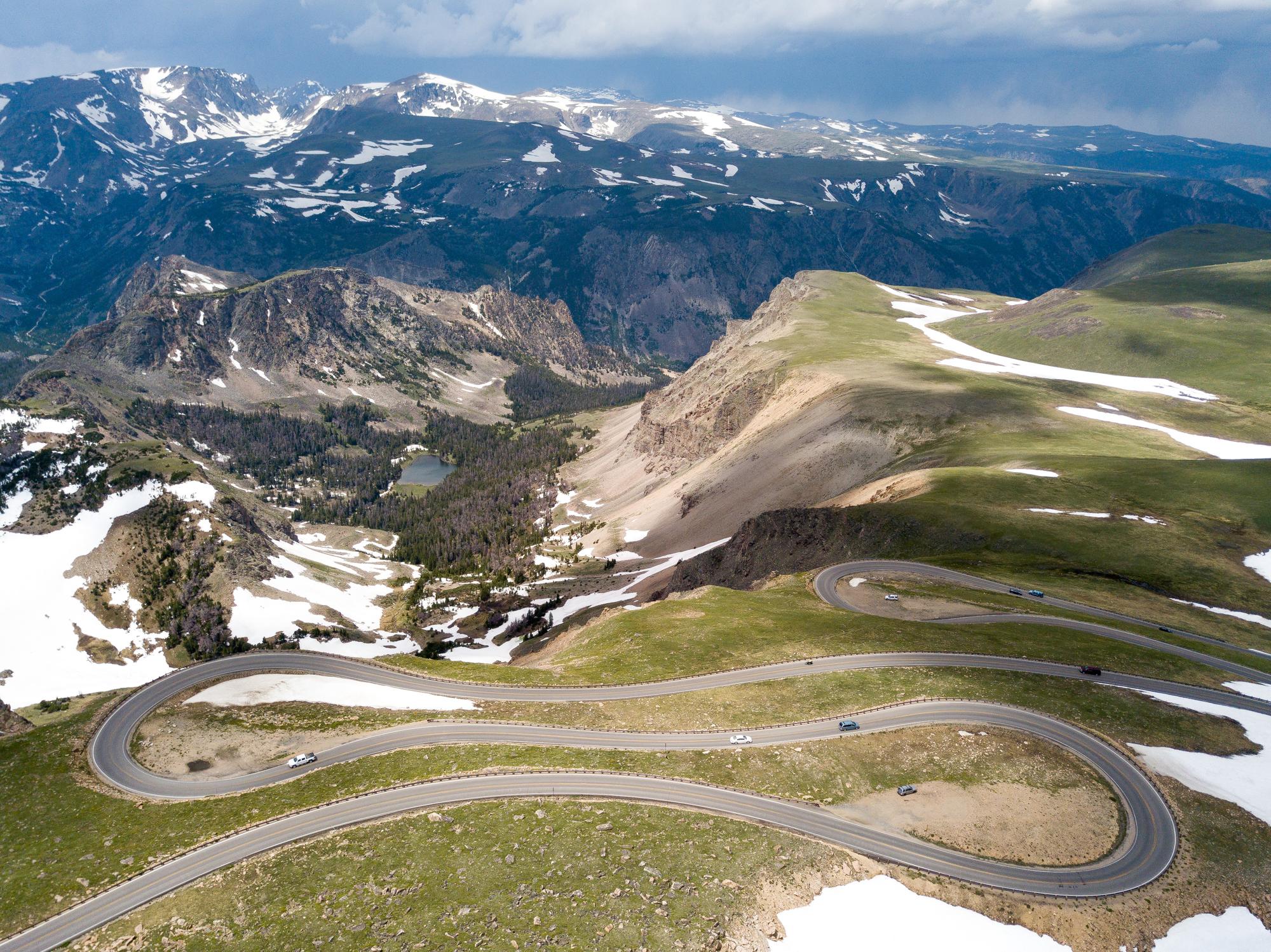
  • Chief Joseph Scenic Byway: This route through the Absaroka Mountains offers another opportunity to travel through bear country on the way toward Yellowstone’s Northeast Entrance. Watch for wildlife along the forested stretches, and check seasonal road conditions before setting out.
  • Lamar Valley: One of Yellowstone’s most established wildlife-watching areas, Lamar Valley is known for its wide-open views and populations of bison, elk, wolves, and grizzly bears. Bring binoculars or a spotting scope to search the surrounding hillsides.
  • Hayden Valley: Another promising area for wildlife watchers, Hayden Valley offers expansive views of grasslands and the Yellowstone River. Grizzlies are among the animals you may spot here.
  • Yellowstone Lake and Canyon Region: Forests, meadows, and surrounding landscapes offer more opportunities for bear sightings, although the animals’ movements can be difficult to predict.

Remember that some Yellowstone roads and mountain passes close seasonally, sometimes as early as mid-October. Before heading out, check the National Park Service’s current road conditions.

Practice Safe Bear Viewing

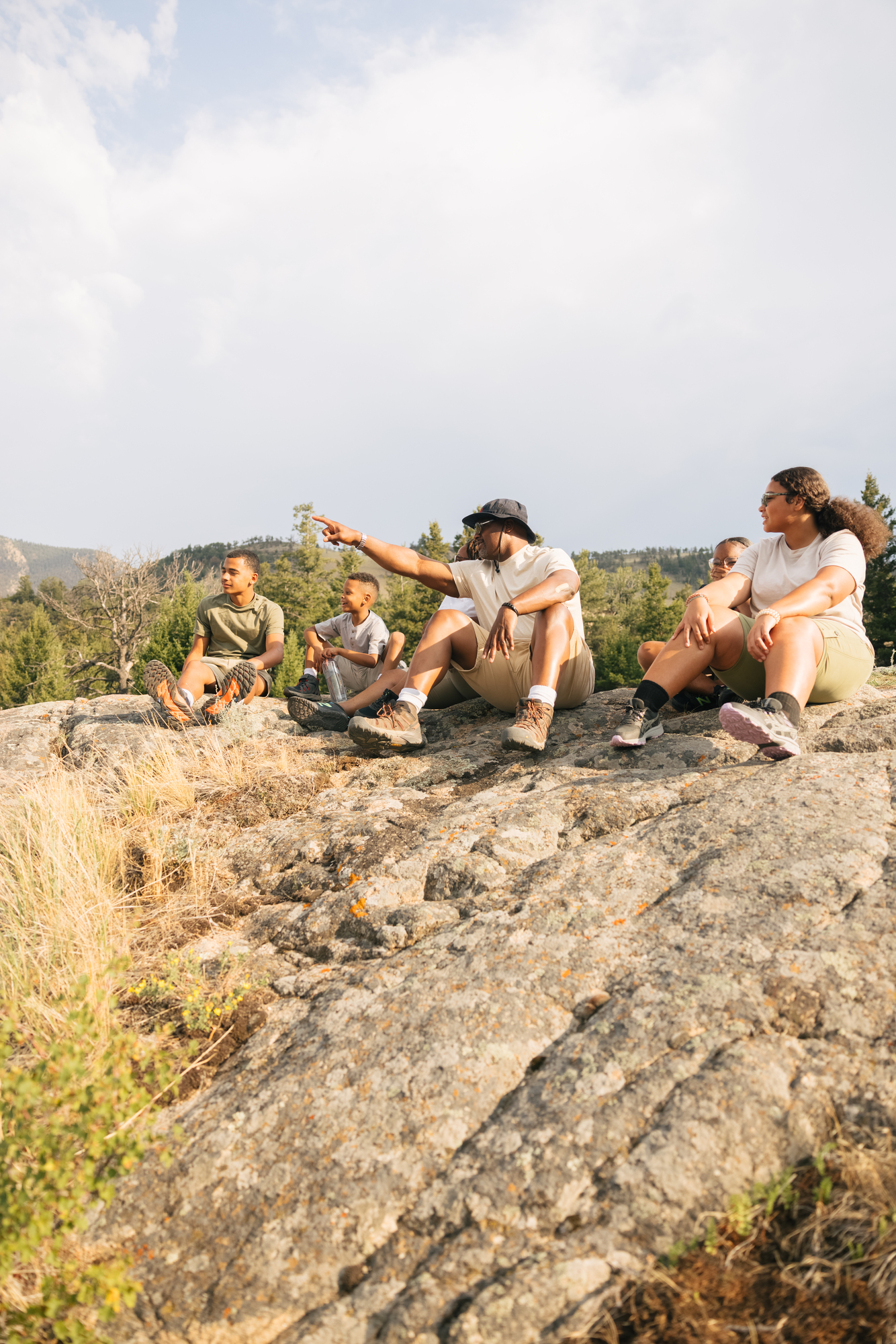
A family sits on a rock during a hike in Cody Yellowstone

Spotting a bear in the wild is exciting. Getting close to one is another matter entirely.

The best wildlife encounters leave animals free to go about their business, which means giving them plenty of space. Follow these rules whenever you’re exploring bear country:

  • Keep your distance. Stay at least 100 yards (91 metres) away from bears. Binoculars and telephoto lenses will give you a better view without disturbing the animals.
  • Never feed bears. Human food can change their natural behaviour and create dangerous situations for both bears and visitors.
  • Store food and garbage securely. Use designated food lockers, closed vehicles, or approved bear-resistant containers as required. Never leave food or other attractants unattended.
  • Use designated pullouts. A bear sighting can quickly bring traffic to a crawl. If you encounter a roadside wildlife gathering, sometimes called a bear jam, don’t stop in the road or block traffic. Pull over only where it’s safe and permitted, follow ranger instructions, and stay in your vehicle when viewing bears. If a bear approaches or touches your car, honk your horn and drive away.

Hiking in Bear Country

A little preparation goes a long way when you’re exploring bear country on foot. The National Park Service recommends hiking in groups of three or more, staying alert, and making noise periodically to avoid surprising a bear.

You should also:

  • Carry bear spray and know how to use it. Each person should have their own canister somewhere they can reach quickly, rather than buried in a backpack.
  • Stay on maintained trails, obey closures, and avoid areas with animal carcasses.
  • If you unexpectedly encounter a bear, stay together, avoid sudden movements, and slowly back away. Never run.
  • Report any conflict with a bear to a park ranger as soon as possible.

Bear spray is available for purchase in Yellowstone and surrounding communities. Visitors can also rent it at Yellowstone Regional Airport in Cody and seasonally at designated locations in Yellowstone, including Canyon Village and Old Faithful. Check availability and operating dates before your trip.

Before heading into bear country, take a few minutes to review the National Park Service’s bear safety recommendations, including what to do if a bear approaches or charges.

Frequently Asked Questions About Bears in Cody Yellowstone

When is the best time of year to see bears in Yellowstone?

Spring and fall are generally good seasons for spotting bears in Yellowstone National Park. In spring, bears emerge from hibernation and begin searching for food. During fall, they enter a period of intense feeding called hyperphagia as they prepare for winter. Sightings are also possible throughout summer, although they’re never guaranteed.

Can you see bears near Cody without entering Yellowstone National Park?

Yes. Both black bears and grizzlies inhabit Shoshone National Forest, which surrounds much of the Cody Yellowstone region. The Buffalo Bill Scenic Byway and Chief Joseph Scenic Byway pass through bear habitat and offer opportunities to watch for wildlife outside Yellowstone National Park.

Can you watch bears from your car in Yellowstone?

Yes, and viewing bears from your vehicle is often the safest option. Use designated pullouts, stay completely off the roadway, and remain at least 100 yards from bears. Bring binoculars or a spotting scope for a closer look without disturbing the animals.

Do you need bear spray when hiking in Yellowstone?

Yes. The National Park Service recommends carrying bear spray when hiking in Yellowstone National Park, even on short trails. Keep it somewhere accessible, know how to use it, and hike in groups of three or more whenever possible. Bear spray is a last line of defence, not a substitute for avoiding encounters in the first place.

What time of day are bears most active in Yellowstone?

Early morning and evening can be good times to spot bears in Yellowstone National Park, especially in areas like Lamar Valley and Hayden Valley. Plan to watch from designated roadside pullouts with binoculars or a spotting scope. The National Park Service recommends avoiding hiking at dawn, dusk, or after dark, when grizzlies are often more active.
A Bear Hunt for the Kids (No Binoculars Required)

Want a bear sighting you can guarantee? Bears in the Basin sends families on a scavenger hunt through Cody, Meeteetse, and Powell, following clues to find bear statues created by local artist Tanner Loren. Download the clue sheet or sign up for a free mobile pass for a chance to earn prizes along the way. And unlike their wild counterparts, these bears are happy to pose for photos.

Explore the UNTAMED Side of Cody Yellowstone

Bear sightings don’t run on a schedule, and that’s half the excitement. Give yourself time on the scenic roads, keep your binoculars close, and let the bears carry on with their business. After all, they’ve got a busy season ahead of them.

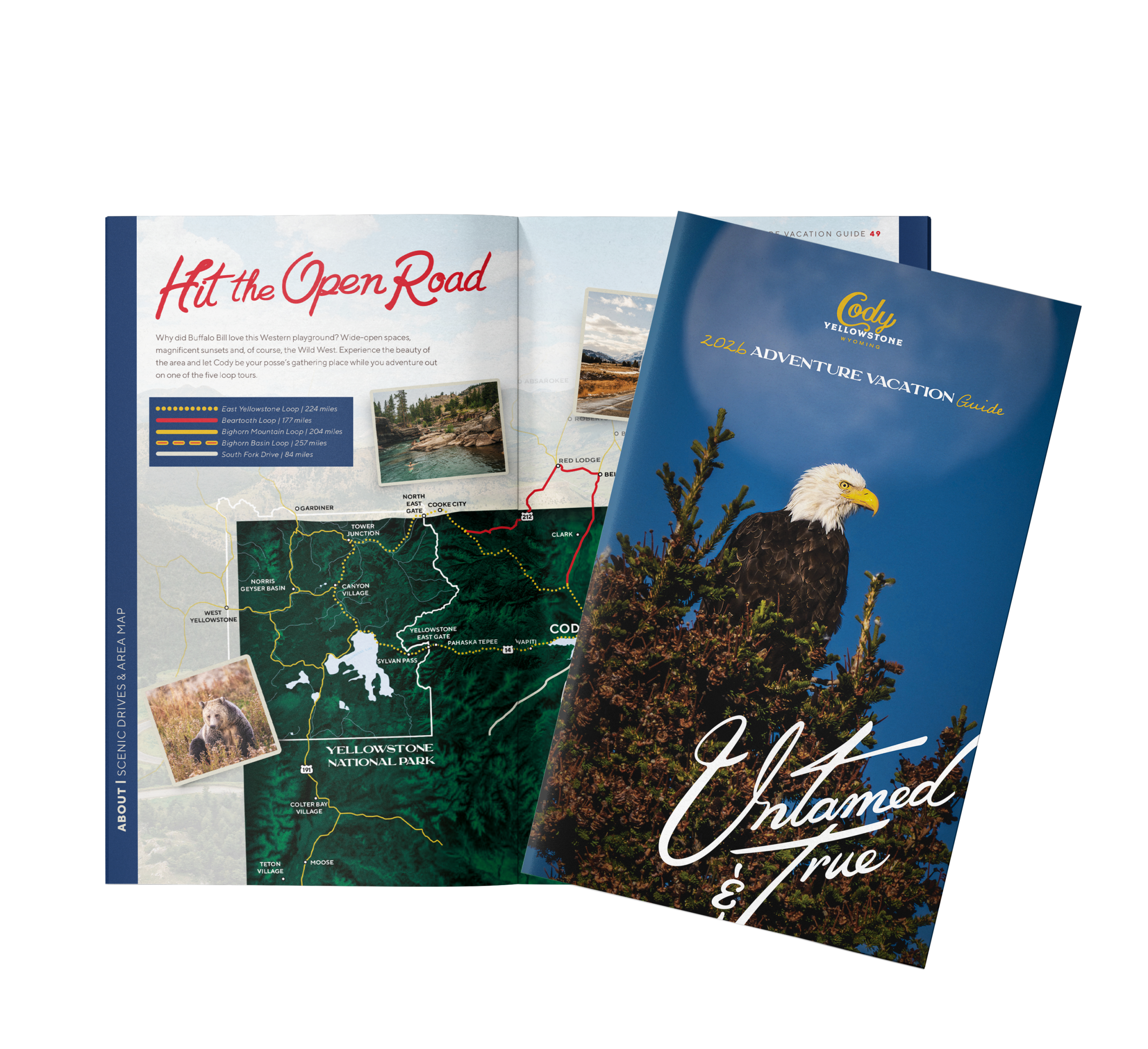
For more wildlife-watching opportunities, scenic drives, and places to explore, request your free Cody Yellowstone Vacation Guide and start planning your adventure.

Travel Guide - Background

Get Your Free Cody Yellowstone Vacation Guide

Start planning your wild adventure with the help of our free guide.